Welcome to Tangshan Moneide Trading Co., Ltd.






Recommend Products
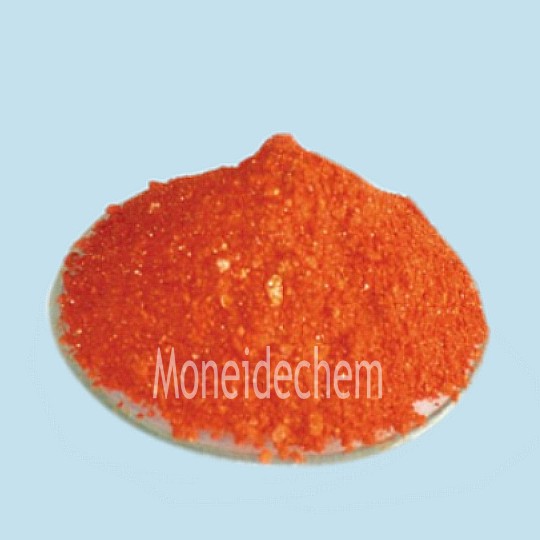


ammonium iron iii oxalate
In the biochemical reagents sector, aluminon (ammonium aurintricarboxylate) stands as a critical compound, especially renowned for its role as a sensitive detection tool for aluminum ions. Tangshan Moneide Trading Co., Ltd., a key player in supplying high - quality aluminon reagent , recognizes that optimizing the synthesis process is pivotal to meet the stringent demands of diverse applications. This article, from a wholesaler’s perspective, delves into the synthesis of aluminon , its properties, applications, and the strategic optimizations that elevate its performance. Unveiling the Foundations of Aluminon Aluminon , with the molecular formula C 22 H 23 N 3 O 9 and a molecular weight of 473.43, holds CAS No. 569 - 58 - 4 and EINECS No. 209 - 319 - 1. It also goes by synonyms like Aurintricarboxylic acid triammonium salt. Presenting as a yellow - brown or brown - red powder, this compound is a cornerstone in biochemical analysis. Tangshan Moneide Trading Co., Ltd. is dedicated to supplying aluminon that adheres to the highest quality benchmarks, starting with a meticulously optimized synthesis process. The Core Synthesis Process of Aluminon Prudent Raw Material Selection The synthesis journey of aluminon commences with the careful curation of raw materials. Key components include aurintricarboxylic acid and ammonium sources. The purity and composition of these raw materials are paramount, as they directly influence the synthesis outcome. Tangshan Moneide Trading Co., Ltd. sources these materials from trusted suppliers, ensuring a solid foundation for the synthesis process. Reaction and Neutralization Dynamics The central reaction involves transforming aurintricarboxylic acid into its triammonium salt form. This is typically achieved through a neutralization reaction with an ammonium compound, such as ammonium hydroxide. Precise control of reaction conditions—temperature, pH, and reaction duration—is critical. Maintaining an optimal pH, similar to the weakly acidic range (pH ~4 - 5) relevant to the aluminon reagent formula in solution, is essential for the formation of the desired product. Purification and Drying Excellence Post - reaction, the product undergoes purification to eliminate impurities. Techniques like filtration, crystallization, and washing are employed. Subsequent drying processes yield the final aluminon product as a yellow - brown or brown - red powder. Tangshan Moneide leverages advanced purification and drying methods to ensure the product meets strict quality criteria, including parameters like sulfated ash (≤0.2% max) and sulfate (≤0.8% max). Properties and Quality Assurance of Aluminon Physical and Chemical Traits Visual Identity : The yellow - brown or brown - red powder appearance serves as a quick quality checkpoint. Any deviation may signal impurities or synthesis irregularities. Reagent Sensitivity : As a reagent for aluminum, aluminon must pass sensitivity tests. This is vital for its role as an aluminon reagent in detecting aluminum ions, where it forms a distinctive red lake complex. Solubility and Purity : With good water solubility (pass test) and strict impurity control (sulfated ash, sulfate), aluminon ensures reliability in biochemical applications. Quality Control at Tangshan Moneide Tangshan Moneide Trading Co., Ltd. implements a robust quality control regimen throughout the synthesis process. This includes raw material testing, in - process monitoring of reaction conditions (synthesis and neutralization), and final product assessment for appearance, reagent sensitivity, solubility, and impurity levels. Advanced analytical techniques guarantee accurate and dependable quality control. Applications of Aluminon as a Pivotal Aluminon Reagent Aluminum Ion Detection in Analytical Chemistry Aluminon is a linchpin in analytical chemistry for detecting aluminum ions. When mixed with aluminum - containing solutions, it forms a distinct red lake complex, enabling both qualitative identification and quantitative spectrophotometric measurement of aluminum concentrations. This finds utility in water quality testing, metallurgical aluminum ore analysis, and biological studies on aluminum distribution in tissues. Role in Biochemical Reagents As a biochemical reagent, aluminon ’s selective reactivity makes it a preferred choice for many detection methods. Proper pH control (similar to the pH ~4 - 5 in its solution formula) is crucial for accuracy. Its intense color change provides clear visual confirmation even at low aluminum concentrations. Table: Properties and Applications of Aluminon (Tangshan Moneide Trading Co., Ltd.) Parameter Details Relevance to Applications Chemical Name Aluminon Unique identifier for industrial use Synonyms Aurintricarboxylic acid triammonium salt; Triammonium 5,5'-(3 - carboxylato - 4 - oxocyclohexa - 2,5 - dienylidenemethylene)disalicylate Alternative references in chemical transactions CAS No. 569 - 58 - 4 Regulatory and identification purposes Molecular Formula C 22 H 23 N 3 O 9 Defines chemical composition and reactivity Molecular Weight 473.43 Important for dosage and formulation calculations Molecular Structure Contains specific functional groups Influences reagent properties like aluminum ion binding Appearance Yellow brown or brown red powder Quick quality assessment Sensitivity as Reagent for Aluminium Pass test Ensures effective aluminum ion detection Solubility in Water Pass test Facilitates reagent preparation Sulfated ash(SO4) 0.2% max Maintains reagent purity Sulfate(SO4) 0.8% max Ensures product quality Main Application Biochemical reagents (aluminum ion detection) Driven by reagent properties like colorimetric response Strategies for Optimizing the Aluminon Synthesis Process Fine - Tuning Process Parameters Reaction Conditions : Optimizing temperature, pH, and reaction time can boost the yield and purity of aluminon . For instance, maintaining a precise pH (aligned with the pH range for its solution use) can enhance the formation of the triammonium salt. Purification Advancements : Exploring advanced purification methods, such as HPLC - based purification, can further reduce impurities and elevate the quality of the final product. Customer - Centric Optimization Tangshan Moneide Trading Co., Ltd. focuses on tailoring the synthesis process to meet customer needs. By understanding application requirements (e.g., sensitivity in aluminum ion detection), the company fine - tunes the synthesis to ensure consistent and reliable performance of the aluminon reagent . Aluminon FAQ S What is the primary use of aluminon? Aluminon is chiefly used as a sensitive colorimetric aluminon reagent for detecting aluminum ions in analytical chemistry. It forms a distinct red lake complex with aluminum - containing solutions, enabling qualitative identification and quantitative spectrophotometric measurement. Applications span water quality testing, metallurgical aluminum ore analysis, and biological studies on aluminum distribution. Tangshan Moneide Trading Co., Ltd. supplies aluminon as a biochemical reagent, ensuring efficacy through optimized synthesis. What constitutes the aluminon reagent formula in solution? The aluminon reagent formula in solution typically involves dissolving aluminon (ammonium aurintricarboxylate, C 22 H 23 N 3 O 9) in weakly acidic aqueous media (pH ~4 - 5). A standard working solution contains ~0.1 - 0.2% aluminon mixed with acetate buffer to stabilize pH. The solution appears yellow - orange uncomplexed but turns bright red upon aluminum binding. Tangshan Moneide ensures aluminon quality for such solutions via strict synthesis and quality control. How does the aluminon indicator function? The aluminon indicator relies on aluminon ’s selective color change in the presence of aluminum ions. It’s highly sensitive (detecting down to 0.1 ppm Al under optimal conditions), with color intensity proportional to aluminum content for qualitative/quantitative analysis. While aluminum - specific, it may cross - react with other metals without masking. Tangshan Moneide’s aluminon reagent , with high purity and optimized synthesis, ensures the indicator’s reliability, providing clear visual results. How does Tangshan Moneide optimize aluminon synthesis? Tangshan Moneide optimizes aluminon synthesis by controlling reaction conditions (temperature, pH, time) to boost yield and purity, using advanced purification techniques to reduce impurities, and tailoring the process to meet customer application needs (e.g., sensitivity for aluminum detection). This ensures consistent performance of the aluminon reagent in diverse analytical applications. What quality control measures does Tangshan Moneide employ for aluminon ? Tangshan Moneide implements quality control measures including raw material testing, in - process monitoring of synthesis (reaction conditions, neutralization), and final product testing for appearance, reagent sensitivity, solubility, and impurity levels (sulfated ash, sulfate). Advanced analytical techniques ensure accurate testing, guaranteeing aluminon meets quality standards for use as an aluminon reagent in aluminum ion detection and biochemical applications. Optimizing the aluminon synthesis process is indispensable for ensuring the quality and effectiveness of this vital biochemical reagent. Tangshan Moneide Trading Co., Ltd. plays a crucial role by implementing rigorous quality control, fine - tuning synthesis parameters, and understanding the diverse applications of aluminon as an aluminon reagent . By focusing on the properties, synthesis, and quality control of aluminon , the company caters to the needs of industries reliant on aluminum ion detection. As the demand for accurate and reliable biochemical reagents grows, Tangshan Moneide’s role in optimizing synthesis and supplying high - quality aluminon remains essential for advancing analytical and biochemical processes.



look at newproducts


